
VA Disability Compensation: Understanding Tax-Free Benefits for Service-Related Disabilities
Introduction
Veterans who have sustained injuries or developed medical conditions due to their military service may be eligible for VA disability compensation. This compensation provides tax-free financial assistance to veterans who experience a diminished quality of life or earning potential due to service-related disabilities. Understanding how VA disability compensation works, who is eligible, and how to apply is essential for veterans seeking support.
What is VA Disability Compensation?
VA disability compensation is a monthly tax-free benefit paid to veterans who have disabilities incurred or aggravated during active military service. These benefits are intended to provide financial support and recognition of the sacrifices made by veterans. Compensation rates vary based on the severity of the disability, with additional amounts available for dependents, severe disabilities, or loss of limbs.
Why is VA Disability Compensation Tax-Free?
One of the most significant benefits of VA disability compensation is that it is not subject to federal or state income taxes. The tax-exempt status acknowledges the sacrifices made by veterans and ensures that they receive the full amount of their deserved compensation without deductions. This tax-free status is codified under federal law and reflects the government’s commitment to supporting disabled veterans.
Eligibility for VA Disability Compensation
To qualify for VA disability compensation, a veteran must meet the following criteria:
- Have a disability that is service-connected (incurred or aggravated during military service).
- Have a disability rating assigned by the VA, ranging from 0% to 100%.
- Provide medical evidence or documentation linking the disability to military service.
- Submit a completed VA disability compensation claim.
How VA Disability Ratings Work
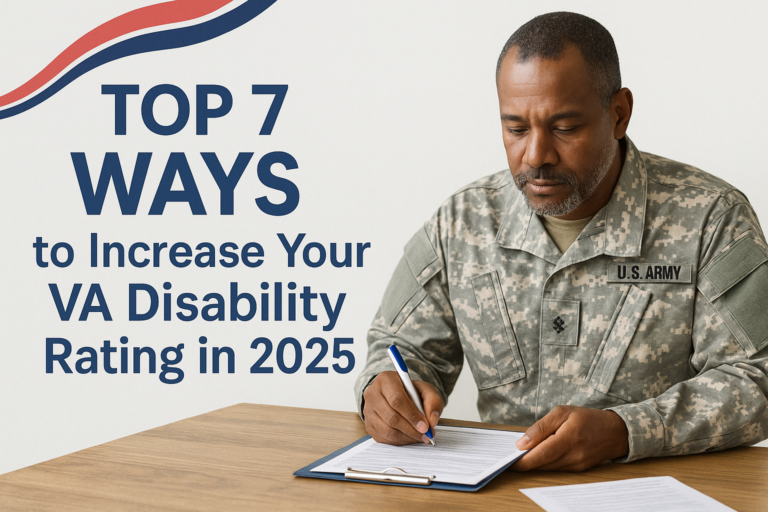
The VA assigns a disability rating to quantify the severity of the veteran’s condition. Ratings are given in increments of 10%, from 0% to 100%. A higher rating indicates a more severe disability and results in increased monthly compensation.
Key Factors in Determining the Rating:
- Medical evaluations and evidence
- Service treatment records
- Personal statements and documentation
- VA medical examinations (C&P exams)
How to Apply for VA Disability Compensation
- Gather Necessary Documentation: Include your DD214, medical records, and evidence linking your condition to your service.
- File Your Claim: You can submit your claim online via VA.gov, by mail, or in person at a VA office.
- Attend C&P Exams: These exams help the VA assess the severity of your condition.
- Wait for a Decision: The VA will notify you of your rating decision and monthly benefit amount.
How Much Compensation Can You Receive?
The amount of compensation varies based on the disability rating and number of dependents. As of 2025, the monthly compensation for a single veteran with a 100% disability rating is approximately $4,500. Veterans with spouses, children, or dependent parents may receive higher amounts.
Common Service-Connected Disabilities
- PTSD and other mental health conditions
- Traumatic brain injury (TBI)
- Hearing loss and tinnitus
- Musculoskeletal injuries
- Respiratory conditions
Additional Benefits for Disabled Veterans
Depending on the disability rating, veterans may be eligible for additional benefits such as:
- Special Monthly Compensation (SMC) for severe disabilities
- Dependency and Indemnity Compensation (DIC) for survivors
- Access to VA healthcare services
- Vocational rehabilitation and employment support
Tips for Maximizing Your VA Disability Claim
- File Early: Submitting your claim soon after service increases the chances of success.
- Be Thorough: Include all relevant documentation and evidence.
- Seek Assistance: Veterans Service Organizations (VSOs) can help guide you through the process.
- File for Increases: If your condition worsens, file for an increased rating.
Conclusion
VA disability compensation provides vital support for veterans coping with service-related disabilities. Understanding the tax-free nature of this benefit and knowing how to apply can make a significant difference in a veteran’s financial well-being. If you or a loved one needs help navigating the claims process, reach out to your local VSO or visit VA.gov.
For more information and resources on VA disability benefits, visit VeteransMoneyGuide.com.
VeteransMoneyGuide.com is a privately owned informational website and is not affiliated with, endorsed by, or connected to the U.S. Department of Veterans Affairs (VA), any government agency, or the United States government.
The information provided on this website is for educational and informational purposes only. It does not constitute legal, medical, or financial advice. VeteransMoneyGuide.com does not represent, claim, file, or manage VA claims on behalf of veterans and is not a representative of the VA.
Users are encouraged to consult with a VA-accredited representative, attorney, or agent for assistance with any VA-related matters.